
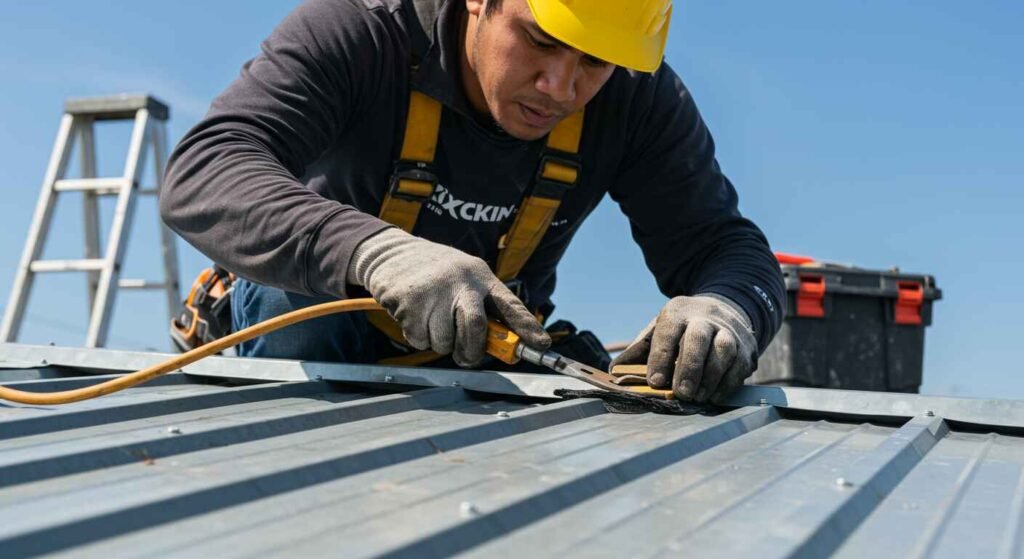
Your roof is your home’s first line of defense against the elements, yet it’s often the most neglected part of a building. Proper roof maintenance isn’t just about fixing problems—it’s about preventing them. A well-maintained roof can last decades longer than one that’s ignored, saving you thousands in premature replacement costs.
Regular maintenance protects your entire property structure, prevents mold growth, maintains energy efficiency, and preserves your property value. In this comprehensive guide, we’ll cover everything from basic maintenance schedules to complex commercial contracts, giving you the knowledge to protect your investment.
What Does Roof Maintenance Include?
Roof maintenance encompasses both interior and exterior components. A complete maintenance program includes exterior components like shingle inspection and repair, flashing examination, gutter cleaning and maintenance, drainage system checks, surface material assessment, and sealant and caulking inspection.
Interior components include attic ventilation assessment, insulation evaluation, structural framing inspection, moisture detection, and mold and mildew prevention. A professional maintenance visit typically includes documentation with photos, detailed reports, and priority scheduling for any necessary repairs. Regular maintenance catches small issues before they become major problems.
For a detailed seasonal approach, see our comprehensive roofing maintenance guide for all seasons.
How Often Should You Maintain or Replace Your Roof?
Maintenance Frequency Recommendations
We recommend twice annual inspections in spring and fall, immediate damage assessment after major storms, quarterly checks for commercial properties or older roofs, and annual professional inspection as a minimum requirement.
Replacement Timeline by Material
Different materials have varying lifespans. Asphalt shingles typically last 15-30 years, metal roofing 40-70 years, tile/concrete 50-100 years, wood shakes 20-40 years, and flat roofs 10-25 years.
Factors Affecting Lifespan
The climate and weather patterns in your area significantly impact roof longevity, along with installation quality, ventilation adequacy, maintenance consistency, and roof pitch and design. Learn more about replacement timing in our guide on when to replace your roof and signs not to miss.
Seasonal Roof Maintenance Guide
Spring Maintenance Checklist
Spring is the ideal time to assess winter damage. Clear winter debris from gutters and drains, inspect for missing or damaged shingles, check flashing around chimneys and vents, examine attic for moisture or leaks, and trim overhanging tree branches.
Summer Maintenance Priorities
Summer maintenance focuses on heat protection. Ensure proper attic ventilation to prevent heat buildup, inspect for UV damage to shingles, check for thermal movement cracks, clean gutters of spring debris, and verify drainage systems are functioning properly.
Fall Preparation Steps
Fall preparation is crucial for winter readiness. Clean gutters of autumn leaves, inspect and secure loose shingles, check insulation levels in attic, ensure proper ventilation for temperature regulation, and verify all flashings are secure.
Winter Maintenance Considerations
Winter requires special precautions. Safely remove excess snow buildup, prevent ice dam formation with proper insulation, monitor for interior condensation issues, check for wind damage after storms, and ensure proper attic ventilation to maintain consistent temperature.
For detailed seasonal strategies, our roofing maintenance tips for all seasons provides comprehensive guidance.
Extreme Weather Roof Protection
Hurricane and High Wind Preparedness
Before storm season, secure loose shingles and tiles, reinforce flashing and edges, trim surrounding trees, install hurricane clips if needed, and ensure proper drainage to handle heavy rainfall.
Hail Damage Prevention and Assessment
After hailstorms, inspect for dented metal fixtures, check for granule loss on shingles, look for cracked tiles or shingles, assess gutter and downspout damage, and document any damage for insurance purposes.
Heavy Rain and Flood Protection
Ensure proper gutter function and drainage, verify waterproof underlayment integrity, check valley flashings for weaknesses, maintain proper roof slope for water runoff, and inspect seals around penetrations.
Snow and Ice Management
Prevent ice dams with adequate attic insulation, maintain proper attic ventilation, safely remove excess snow accumulation, install heating cables in problem areas, and ensure structural integrity for snow load capacity.
Learn specific strategies for maintaining your roof in harsh weather conditions and ensuring your roof is ready for extreme weather.
DIY vs Professional Maintenance
Safe DIY Maintenance Tasks
Homeowners can safely perform regular gutter cleaning, visual inspections from ground level, minor debris removal, checking attic for visible leaks, and monitoring for obvious damage after storms.
When to Call Professionals
Always hire professionals for steep roof work, electrical component maintenance, structural repairs, major leak identification, and any work requiring specialized equipment or safety gear.
Cost Comparison Analysis
While DIY seems cheaper initially, professional maintenance often saves money long-term by preventing major repairs. Professionals provide documentation for insurance, have access to better materials, and can identify problems early.
DIY Safety Precautions
Always use proper safety harnesses, work with a spotter, avoid working in wet conditions, use stable ladders properly secured, and wear appropriate footwear with good traction.
For safe DIY approaches, see our DIY roof maintenance secrets for homeowners.
Roof Maintenance Programs Explained
Residential Maintenance Programs
These typically include bi-annual inspections, seasonal maintenance checklists, priority service for repairs, discounted repair rates, and detailed documentation for insurance and resale purposes.
Commercial Maintenance Programs
Commercial programs offer quarterly inspections, emergency response services, maintenance documentation for compliance, customized scheduling around business operations, and comprehensive reporting systems.
Benefits of Formal Maintenance Programs
Formal programs provide cost predictability through fixed pricing, extended roof lifespan through regular care, warranty compliance maintenance, improved safety through proactive repairs, and maintained property value.
Program Cost Structures
Most programs offer annual contracts with monthly payments, per-visit pricing options, tiered service levels, emergency service add-ons, and discounts for multi-year commitments.
Discover how homeowners maintenance programs can protect your investment.
Understanding Maintenance Agreements
Key Agreement Components
A thorough maintenance agreement should specify service frequency and scope, response time guarantees, pricing and payment terms, termination conditions, and emergency service provisions.
Residential Agreement Considerations
Homeowners should seek agreements covering all roof components, including warranty on workmanship, clear communication procedures, flexible scheduling options, and transparent pricing without hidden fees.
Commercial Agreement Specifics
Commercial agreements need to address business interruption minimization, after-hours service availability, compliance documentation, vendor certification requirements, and customized maintenance schedules.
Negotiating favorable terms
Always review termination clauses carefully, understand service response time guarantees, verify insurance coverage levels, clarify what constitutes emergency vs routine service, and ensure performance benchmarks are defined.
Learn more about commercial roof maintenance agreements and how they protect your investment.
Commercial Roof Maintenance Contracts
Types of Commercial Contracts
Preventive maintenance contracts focus on regular inspections, corrective maintenance agreements address issues as they arise, full-service contracts provide comprehensive coverage, and performance-based contracts tie payments to specific metrics.
Essential Contract Clauses
Strong contracts include clear scope of work definitions, performance standards and metrics, liability and insurance requirements, termination conditions and notices, and dispute resolution procedures.
Vendor Selection Criteria
Choose vendors with specific commercial experience, proper licensing and certifications, adequate insurance coverage, strong references from similar properties, and transparent pricing models.
Compliance and Documentation
Commercial contracts must provide detailed service documentation, compliance certification for regulations, warranty administration services, insurance claim support, and historical maintenance records.
Our guide to commercial roof maintenance contracts covers these aspects in detail.
Warning Signs: From Leaks to Collapse
Early Warning Indicators
Look for curling or buckling shingles, excessive granule loss in gutters, daylight visible through roof boards, water stains on ceilings or walls, and moss or algae growth in shaded areas.
Intermediate Damage Signs
More serious indicators include sagging roof deck sections, visible cracks in roofing materials, multiple missing or damaged shingles, rusted or damaged flashing, and persistent leaks despite repairs.
Critical Collapse Warning Signs
Immediate danger signs include significant roof sagging between supports, visible structural deformation, multiple ceiling cracks spreading, doors and windows sticking due to frame shifting, and creaking or popping sounds from roof structure.
Interior Warning Signals
Inside your home, watch for peeling paint near ceilings, damp spots in insulation, mold or mildew growth in attic, musty odors in upper floors, and increased energy bills indicating insulation problems.
Recognize critical ceiling collapse warning signs before they become emergencies.
Roof Insurance Claims Guide
Understanding Coverage Types
Most policies cover sudden damage from storms, falling objects, fire, and vandalism. Wear and tear from age or lack of maintenance is typically excluded from coverage.
Documentation Requirements
Maintain thorough records including pre-damage photos, regular maintenance documentation, detailed damage evidence with dates, repair estimates from licensed contractors, and communication records with insurance representatives.
Claims Process Steps
Immediately document damage with photos, contact your insurance company promptly, prevent further damage with temporary repairs, obtain professional damage assessments, and submit complete claim packages with supporting documentation.
Commercial Claim Considerations
Commercial claims often involve business interruption calculations, lost revenue documentation, code upgrade requirements, equipment protection needs, and specialized commercial adjusters.
Negotiation Strategies
Understanding your policy’s fine print is crucial. For example, you can review the official guidelines for property insurance from the National Association of Insurance Commissioners (NAIC) to better understand your rights as a policyholder
For commercial properties, our guide to successful commercial roof insurance loss evaluation provides essential information.
Conclusion: Your Maintenance Action Plan
A proactive roof maintenance strategy saves significant money over time and ensures your property remains protected. Start with a professional inspection to establish baseline conditions, then implement a regular maintenance schedule appropriate for your roof type and local climate conditions.
Consider enrolling in a formal maintenance program for consistent, documented care. Keep thorough records of all maintenance and repairs for insurance and resale purposes. Address minor issues promptly before they become major problems, and always work with qualified professionals for complex or dangerous tasks.
Your roof represents one of your largest property investments. Protecting it through systematic maintenance ensures it will continue protecting everything beneath it for years to come.