
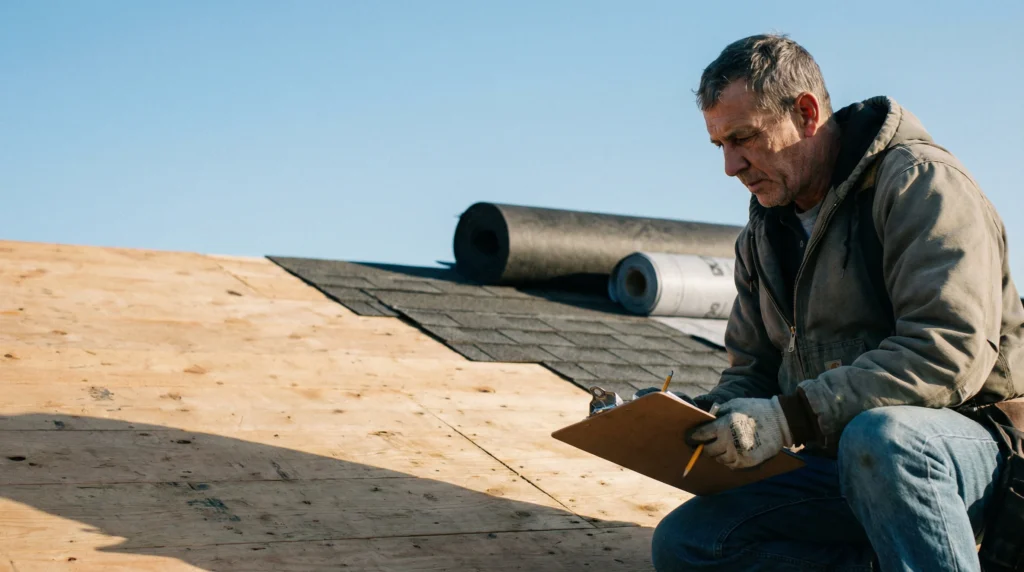
Your home’s protection begins with a roof installation that combines precise craftsmanship with high-quality materials. Modern roofing systems require careful coordination of multiple components—from the foundational deck to the final shingle placement—creating a weatherproof barrier that can withstand decades of harsh conditions.
A proper roof installation involves systematic layers of defense. The process starts with comprehensive roof deck inspection to ensure your home’s structural foundation can support the new roofing system. This critical evaluation identifies any weakened areas that could compromise the entire installation.
The benefits extend far beyond simple weather protection. Quality roof installation enhances your home’s energy efficiency, potentially reducing utility costs by up to 30% through improved insulation and ventilation. Additionally, professional installation preserves manufacturer warranties while increasing property value—often yielding returns of 60-70% on investment.
Understanding these fundamentals helps homeowners make informed decisions about materials, contractors, and timing. The complexity of modern roofing systems demands careful consideration of multiple factors, from local climate conditions to building codes.
Before diving into installation specifics, however, certain prerequisites and preparations set the foundation for success.
Prerequisites: What You Need to Know Before Installation
Before embarking on a new roof installation project, understanding the fundamental requirements sets the foundation for success. Professional contractors typically begin with a comprehensive structural assessment, examining load-bearing capacity, existing framework integrity, and potential underlying issues that could compromise the installation.
Weather conditions play a crucial role in timing your project. Complete Guide to the Basics of Roofing Installation emphasizes that optimal installation occurs during dry seasons with moderate temperatures and minimal wind. Rain, snow, or temperatures below 45°F can significantly impact material adhesion and worker safety.
Permit acquisition represents another essential prerequisite. Most municipalities require building permits for new roof installations, with approval processes taking anywhere from several days to weeks. This regulatory step ensures compliance with local building codes and safety standards.
Material selection demands careful consideration of your region’s climate patterns, architectural style, and budget constraints. Understanding ventilation requirements, insulation needs, and proper roof maintenance in harsh weather planning becomes vital for long-term performance. These preparatory elements directly influence the installation process that follows.
Step-by-Step Guide to Roof Installation
Understanding the roof installation process reveals why professional expertise matters for this complex undertaking. Each phase builds upon the previous, creating a systematic approach that ensures both structural integrity and long-term performance.
The installation sequence begins with structural assessment and deck preparation. Contractors examine the existing roof deck for damage, sagging, or deterioration that could compromise the new system. Any compromised decking requires replacement before proceeding—a critical step that prevents future issues and ensures proper material adhesion.
Material staging and layout follows preparation work. Professional teams strategically position shingles, underlayment, and flashing materials for efficient workflow. This organization prevents delays and reduces the risk of damage during installation, particularly important when weather windows are limited.
The actual roof replacement process involves multiple integrated systems working together. GAF’s professional installation guidelines emphasize that proper technique at each stage determines the roof’s ultimate performance. From underlayment application to final ridge cap installation, each component serves a specific protective function.
Quality installation creates the foundation for years of reliable weather protection, setting the stage for the detailed inspection and preparation work that follows.
Initial Inspection and Preparation
The initial inspection and preparation phase determines whether your roof install proceeds smoothly or encounters costly delays. Professional contractors begin with a comprehensive structural assessment, examining the existing deck for signs of rot, sagging, or inadequate support that could compromise the new installation.
During preparation, contractors evaluate the roof’s geometry and identify potential challenges. Steep slopes, complex angles, and multiple penetrations require specialized planning approaches. The inspection also reveals whether additional structural reinforcement is necessary—a critical determination that affects both timeline and budget.
Weather conditions play a decisive role in preparation timing. Contractors must coordinate material delivery with favorable forecasting, as moisture exposure during the vulnerable preparation phase can damage both old and new components. A typical preparation phase includes removing old materials, inspecting, repairing the deck, and ensuring proper ventilation pathways. The preparation phase also involves establishing safety protocols and staging areas for materials. According to the Complete Guide to the Basics of Roofing Installation, proper preparation can reduce installation time by up to 25% while minimizing weather-related complications.
This thorough groundwork sets the stage for the actual material installation process.
Installing Roofing Materials
The installing roofing materials phase represents the most visible transformation of your roofing project, where systematic layering creates the protective barrier your home depends on. Professional contractors follow precise sequences that ensure each component works harmoniously with the others.
The process typically begins with roof tear off when replacing existing materials, carefully removing old shingles, underlayment, and damaged decking while protecting the surrounding property. This complete removal reveals any hidden structural issues that require attention before new materials installation begins.
Material installation follows a bottom-up approach, starting with underlayment application across the entire roof deck. GAF’s professional installation guide emphasizes proper overlap techniques and fastening patterns that prevent water infiltration. Drip edges, flashing, and valley materials follow specific geometric requirements to channel water effectively.
Shingle installation requires precise alignment and fastening depth—too shallow creates wind vulnerability, while over-driving damages the material. Professional crews maintain consistent exposure rates and stagger joints according to manufacturer specifications, creating the interlocked protection system that defines quality roofing.
This meticulous material placement sets the foundation for your roof’s long-term weather resistance and durability performance.
Weather Protection: Ensuring Durability and Safety
Weather protection systems form the critical defensive layer that shields your home from moisture infiltration and structural damage. Beyond the visible shingles, specialized components create multiple barriers against water penetration, wind uplift, and ice formation.
Drip edge installation represents one of the most crucial yet overlooked protective elements. This L-shaped metal strip directs water away from fascia boards and prevents moisture from working beneath roofing materials. Proper installation requires the drip edge to extend beyond the roof deck edge by at least half an inch, creating an effective water runoff pathway that protects both the roof structure and foundation.
Ice and water barriers provide additional protection in vulnerable areas where ice dams commonly form. These self-adhering membranes seal around nail penetrations and create watertight barriers along eaves, valleys, and roof penetrations. In practice, homes without proper ice barriers experience significantly higher rates of water damage during freeze-thaw cycles.
Wind resistance depends heavily on proper fastener patterns and material specifications. Modern roofing systems must withstand wind speeds up to 130 mph when installed according to manufacturer guidelines, requiring specific nail placement and underlayment overlap patterns.
These protective systems work together to create a comprehensive defense against extreme weather roof conditions, establishing the foundation for decades of reliable performance that proper maintenance will help preserve.
Long-term Maintenance: Keeping Your Roof in Top Shape
Once your roof installation is complete, proactive maintenance becomes the cornerstone of protecting your investment. A well-maintained roof system can extend its lifespan by decades, while neglect often leads to premature failure and costly repairs.
Regular inspections should focus on critical components installed during the roofing process. The roof underlayment, which serves as your home’s secondary moisture barrier, requires periodic assessment for any signs of deterioration or exposure. Check gutters quarterly for debris accumulation and ensure proper drainage away from the foundation. Inspect flashing around chimneys, vents, and roof penetrations annually, as these areas experience the highest stress from thermal expansion and weather exposure.
Seasonal maintenance tasks include removing accumulated debris, trimming overhanging branches, and addressing minor repairs before they escalate. What typically happens is that small issues like loose shingles or minor leaks compound quickly without intervention, transforming manageable repairs into major structural problems. A comprehensive roof maintenance guide can help homeowners develop systematic care routines. For those preferring hands-off approaches, proactive roof maintenance programs offer professional oversight and scheduled interventions.
However, even the most diligent maintenance eventually reaches its limits, making it essential to recognize when replacement becomes inevitable.
Signs You Need a Roof Replacement
Recognizing when your existing roof has reached the end of its useful life requires careful observation of several critical warning signs. Age remains the primary indicator, with most asphalt shingle roofs requiring replacement after 20-25 years, regardless of their apparent condition.
Visual inspection reveals key deterioration patterns that signal replacement necessity. Missing, cracked, or curling shingles indicate advanced weathering that compromises your home’s protection. When starter shingles along the roof’s edges show significant damage or displacement, it often suggests widespread structural issues that extend beyond surface-level repairs.
Interior warning signs prove equally important in replacement timing decisions. Water stains on ceilings, persistent leaks despite previous repairs, and daylight visible through roof boards all indicate serious structural compromise. Granule accumulation in gutters signals advanced shingle deterioration that cannot be effectively repaired.
Energy efficiency decline often accompanies roof deterioration, with heating and cooling costs increasing as insulation effectiveness decreases. Sagging roof sections or visible structural deformation require immediate professional assessment, as these conditions pose safety risks beyond simple water infiltration concerns.
Understanding these replacement indicators helps homeowners make informed decisions before minor issues escalate into major structural problems, though certain installation limitations and considerations must be carefully evaluated during the replacement planning process.
Limitations and Considerations in Roof Installation
While professional roof installation offers numerous benefits, understanding the inherent limitations, and practical considerations helps homeowners make informed decisions. Weather conditions represent the most significant constraint, as installation cannot proceed safely during rain, high winds, or extreme temperatures that compromise material performance and worker safety. Material limitations also play a crucial role in project planning. Certain roofing materials perform better in specific climates—for instance, clay tiles excel in hot, dry regions but may crack in freeze-thaw cycles. The structural capacity of your home determines weight limitations, potentially ruling out heavier materials like slate or concrete tiles without additional reinforcement.
Installation complexity varies dramatically based on roof geometry. Simple gable roofs install more efficiently than complex designs with multiple valleys, dormers, and intricate ridge cap configurations. These architectural features require specialized flashing techniques, additional labor, extending project timelines, and costs. Budget constraints often necessitate material compromises or phased installation approaches. However, cutting corners on critical components like underlayment or proper ventilation can lead to premature failure. Quality installation requires balancing cost considerations with long-term performance expectations, making professional assessment essential for optimal outcomes.
Understanding these limitations from the outset prevents unrealistic expectations and helps ensure successful project completion.
Key Takeaways
Understanding roof installation involves far more than simply laying shingles—it’s a comprehensive system requiring precise coordination of multiple components. From the foundational deck preparation to the final roof flashing installation around chimneys and vents, each element plays a critical role in your home’s long-term protection.
The installation process demands professional expertise, specialized tools, and adherence to manufacturer specifications that most homeowners cannot safely replicate. While DIY approaches might seem cost-effective, the complexity of proper ventilation, weatherproofing, and structural integration makes professional installation essential for warranty protection and optimal performance.
Recognizing when you need professional help—whether through signs you need a roof replacement or understanding extreme weather roof vulnerabilities—empowers you to make informed decisions about your home’s protection.
Moving forward, prioritize regular roof maintenance guide practices to maximize your investment’s lifespan. A properly installed roof, combined with consistent care, provides decades of reliable protection for your most valuable asset. Take action today by scheduling a professional assessment to ensure your roof meets current standards and protects your family’s future.