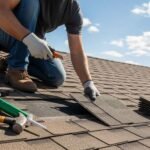
Extreme weather conditions don’t just test your patience—they push your home’s most valuable shield to its limits. Your roof, that highly susceptible area, takes the brunt of nature’s whims, from scorching heat to pounding storms. For homeowners, understanding roof maintenance in these crucial conditions isn’t optional—it’s what stands between minor wear and catastrophic damage.
This isn’t about panic; it’s about preemptive measures. A little protection goes a long way in preserving your roof’s endurance, ensuring it weathers whatever nature throws its way. Think of this as your guide to giving your home the defense system it deserves.
Is Your Roof Ready for Extreme Weather? (Best Answer)
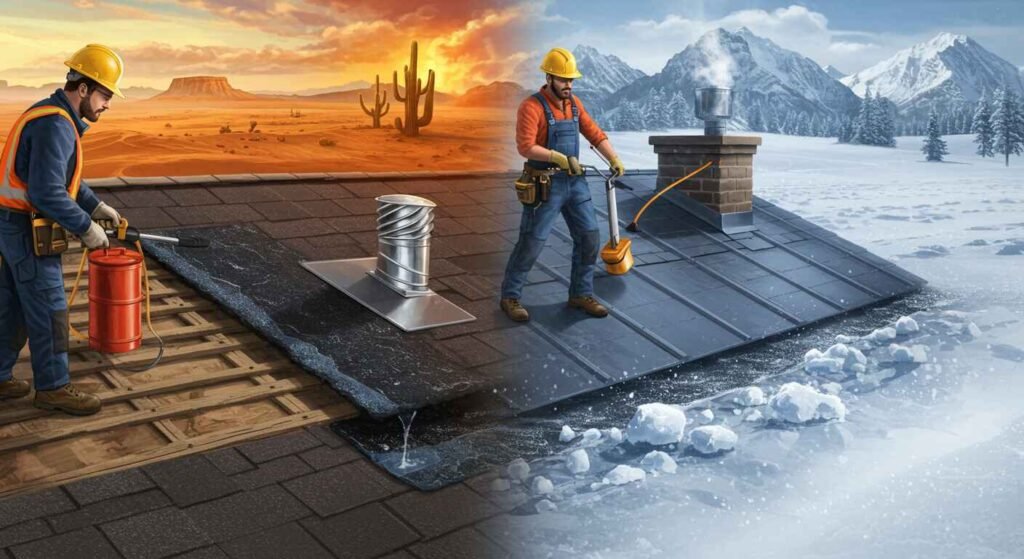
Don’t let scorching summers and high humidity silently destroy your roof’s first line of defense: the flashing. Intense, prolonged heat causes metal flashing to expand and contract relentlessly, potentially warping it or weakening seals. Sticky humidity accelerates corrosion and degrades sealants. This dynamic duo is a major threat to the integrity of these vital components protecting your roof’s most vulnerable joints (like chimneys, vents, and valleys)Understanding Temperature Threats to Your Roof
- Sun & Heat Damage
The sun and relentless heat don’t just make your attic unbearable—they severely compromise your roof’s longevity and performance. Prolonged exposure to UV rays causes roofing materials to deteriorate over time, creating potential breaches in your roofing system. But the damage doesn’t stop there. The constant cycle of heating during the day and cooling at night forces materials to expand and contract, a repetitive process that accelerates wear and tear. Over the years, this stress leaves your roof more susceptible to leaks and related damages, turning minor issues into costly repairs. - Freezing & Thaw Cycles:
Snow and ice create unique problems for homeowners dealing with roof maintenance in extreme weather. While accumulated snow might look like a picturesque winter scene, its significant weight can stress your roof’s structure, risking collapse in severe cases. But the real threat comes when snow melts and refreezes, forming ice dams along the edges that prevent meltwater from draining. This trapped water then seeps under shingles and roofing materials, leading to leaks, hidden structural damage, and even increased potential for mold growth inside your home. - Thermal Shock:
Thermal shock occurs when roofing materials experience rapid temperature fluctuations, such as sudden cooling after intense heat or vice versa. These extreme swings cause materials like asphalt shingles, metal panels, or tiles to expand and contract repeatedly, leading to stress fractures, cracks, and eventual degradation. Over time, this weakening reduces the roof’s durability, making it more prone to leaks, splits, and other structural damage. Prolonged exposure to thermal shock can significantly shorten a roof’s lifespan, requiring more frequent repairs or replacements. Proper material selection, ventilation, and insulation can help mitigate these effects by regulating temperature changes and reducing stress on the roofing system.
Pre-Season Prep for Extreme Weather
Choose Heat-Resistant Materials:
When battling Southern California’s dry, hot climate, your roof’s durability hinges on selecting materials built to withstand intense UV rays and high temperatures. Asphalt shingles with reflective coatings, metal roofing (which naturally deflects heat), and clay or concrete tile roofs (known for their thermal mass) are top contenders—each offering proven heat resistance and longevity.
I’ve seen homes with subpar materials suffer premature cracking and energy loss, while those with proper upgrades stay cooler under the summer sun. The takeaway? Investing in the right materials now isn’t just about avoiding repairs later—it’s about creating a more comfortable, energy-efficient home.
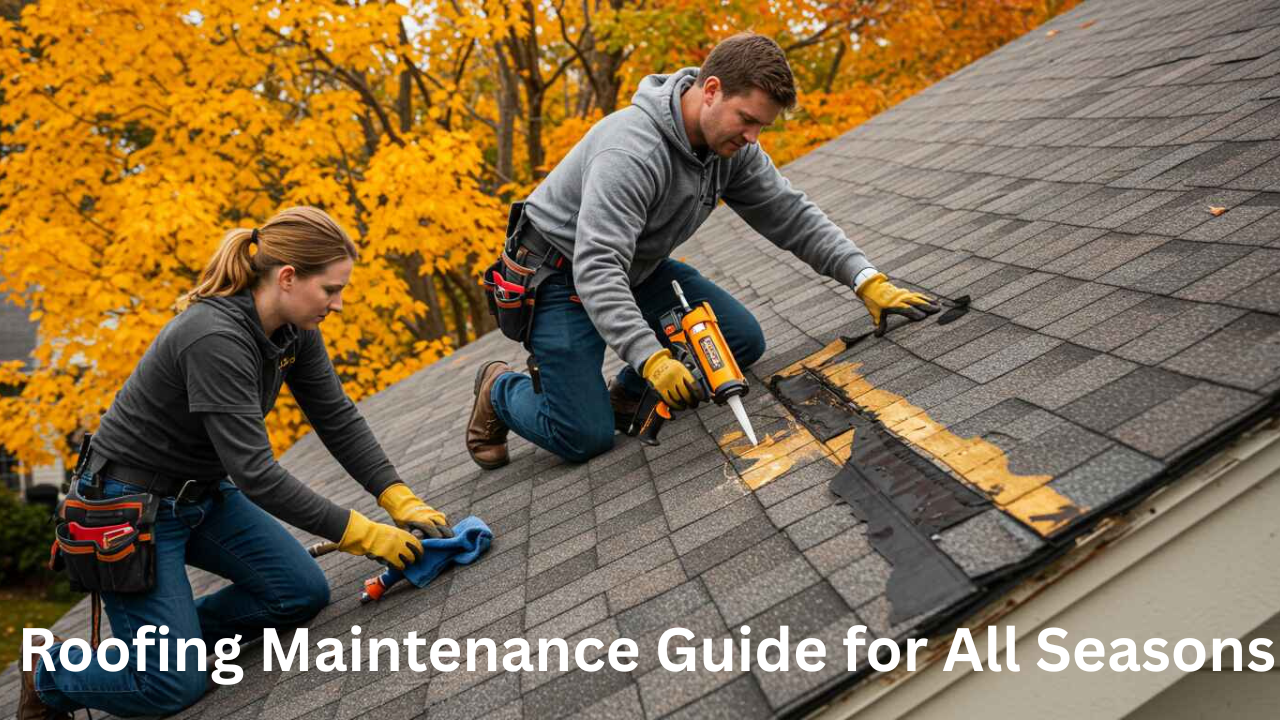
Read more: Roofing Maintenance Guide for All Seasons
Clear Debris:
Extreme weather turns ordinary debris into a roof’s worst enemy. When gutters and downspouts get clogged with leaves and twigs, they create poor water drainage that leads to leaks and even structural damage over time. But the danger doesn’t stop there – those overhanging tree branches you’ve been meaning to trim? Just one storm can send them scraping against or falling on your roof, causing direct damage that’s expensive to fix.
Regular clearing isn’t just about maintaining functionality – it’s essential protection that preserves your roof’s health through every season. I’ve seen too many homeowners learn this lesson the hard way after extreme weather events.
Boost Ventilation:
Good roof ventilation isn’t just helpful—it’s key to surviving the summer sun. Without it, heat buildup in your attic can literally cook your roofing materials from underneath, causing premature aging. But here’s the win: proper airflow from ridge vents, attic fans, and soffit vents (working together) does double duty—preventing damage while lowering cooling costs by up to 15%.
I always tell homeowners—think of your roof like a living thing. Keep air moving, and it stays in top condition for decades. Let it suffocate, and you’ll face repairs years sooner than you should.
Seal Gaps:
Roofs develop vulnerable points at intersections where chimneys, vents, skylights, or two roofing surfaces meet—zones responsible for 90% of water intrusion cases. These junctions undergo thermal cycling (expansion/contraction from temperature shifts), which widens gaps as small as 1/16th of an inch into pathways for seepage. Combat this with ASTM C1311-certified polyurethane sealants for joints and butyl-rubber caulking for cracks, which remain flexible at -40°F to 200°F. For metal roofing surfaces, use urethane-based sealers to prevent galvanic corrosion.
Homeowners who tackle sealing biannually (spring/fall) gain a 72% reduction in leaks—critical for protecting underlying structures like roof decking and trusses. Neglect allows water to wick into OSB sheathing, causing 3x faster rot rates than traditional plywood.
Pro tip: Pair sealing with infrared thermography scans during inspections to detect hidden moisture in attic structures before mold colonizes.
Emergency Response & Long-Term Care
- Post-Event Inspections:
After extreme weather like heatwaves or ice storms, immediately inspect for cracked shingles, lifted flashing, or ice dam damage. Heat can bake shingles brittle, while freeze-thaw cycles pry open gaps, inviting leaks. Use binoculars to spot fractures or hire a pro with thermal imaging tools to detect hidden moisture. Pro tip: Schedule inspections within 72 hours of the event; studies show this cuts repair costs by 40% by catching problems before they rot decking or breed mold. Elite Crown Roofing notes that 80% of “hidden” structural damage starts as minor post-storm issues. - Upgrade Wisely:
In hail-prone areas, impact-resistant materials (like Class 4 shingles or metal roofing) slash storm damage by 80%, per IBHS studies. These options endure 2″ hail strikes at 90 mph, outlasting traditional asphalt 3:1. Many insurers offer 15-35% discounts for UL 2218/FM 4473-certified roofs—a win for safety and savings. Pair with ice/water shield underlayment for added defense. Replacing just the roof’s vulnerable zones (valleys, edges) with these materials cuts costs by 40% vs. full upgrades.
Schedule Bi-Annual Checks:
Catch Hidden Issues Before They Cost You
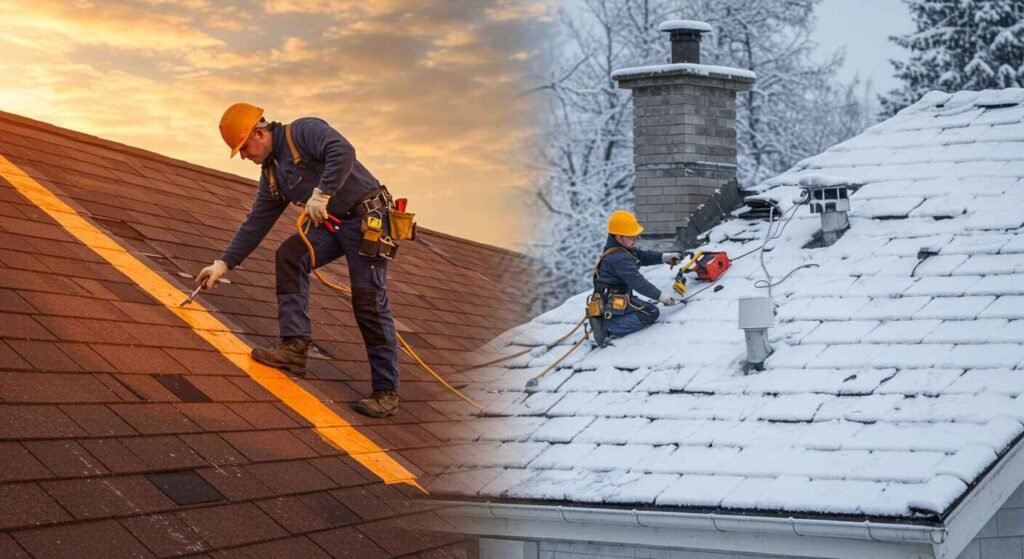
Think of your roof like a car—skip oil changes, and the engine eventually blows. Schedule professional inspections every six months (spring and fall). These checks catch sneaky problems like hairline cracks under shingles, early rot in decking, or insulation gaps inviting mold. I’ve seen roofs that looked flawless but hid water damage or rusted parts. Ignoring these can spiral into $5,000+ repairs. Pro tip: Inspect after severe weather (post-winter storms, post-summer heat) to catch damage early.What Happens During an Inspection?
In 90 minutes, pros use thermal cameras to find hidden moisture and check attic airflow (poor ventilation shortens shingle life by 30%). They’ll test sealant flexibility and spot subtle wear—like grit in gutters (aging shingles) or sagging ridges (structural stress). Bonus: Many insurers require bi-annual reports to keep warranties valid. One client avoided a 12,000 replacement by fixing a 300 vent leak found during a routine check. Small vigilance saves big money.
FAQs
What temperature is too hot for roofing?
For most residential roofs using Asphalt shingles (the most common type of material), the sweet spot for roofing installations, repairs, or replacements is 70 to 80 degrees Fahrenheit. Once temperature exceeds 85 degrees, shingles soften, risking adhesive failure and warping. Below 40 degrees, they crack. Schedule roof work carefully—extreme heat compromises results.
What kind of maintenance does a roof need?
After 30 years sweating on rooftops, I’ll tell you straight: removing sitting debris—especially in roof valleys—is non-negotiable. Leaves, sticks, and other debris bake into a concrete-like dam under the sun, blocking water from draining properly. I’ve seen 4 inches of rotted decking under a single pile of wet oak leaves! Trapped moisture doesn’t just stain ceilings—it delaminates shingles, rusts flashing, and attracts pests. Clear valleys are your roof’s drainage highways; neglect them, and you’ll pay for repairs worth 10x the cleanup cost. Do this quarterly—more often under overhanging trees.
What Roofing Material Truly Beats the Heat?
After installing roofs in 120°F Arizona summers, here’s my take: For hot climates, clay or concrete tiles are king—their thermal mass absorbs heat without transferring it inside, keeping your home cooler. But if durability is your priority, metal roofing is the top choice. I’ve seen it shrug off decades of scorching UV rays, 100mph winds, and torrential moisture. One client’s copper metal roof in Florida hit 50 years last month—still flawless. Tile cracks under hail; metal just dents. Choose based on your budget and storm risks.
What Actually Counts as Preventative Roof Maintenance?
Thirty years patching roofs tells me this isn’t optional—it’s survival. True preventative maintenance means cleaning debris before it blocks drainage, sealing minor cracks before they become leaks, and assessment twice yearly (spring/fall). Neglect guarantees structural problems: rotted rafters, sagging decks, or worse. I’ve seen $50 gutter cleanings prevent $15,000 structural repairs from drainage issues. And expensive? Try funding a complete replacement because you ignored curled shingles. Do the small things now—or pay catastrophically later.
How to make a roof cooler?
Sweating through 130°F attics taught me this: true cool roof solutions aren’t one-size-fits-all. For flat commercial roofs, I roll out modified bitumen with reflective granules—it’s tough but still soaks heat. Single-ply membranes (TPO/PVC) are my go-to for instant reflectivity—installed a 20,000 sq ft white TPO last summer that dropped a Florida warehouse’s attic temp from 145°F to 85°F. Budget-friendly? Slather on cool roof coatings (elastomeric acrylic). I’ve resurfacesd aged asphalt for $0.20/sq ft—if applied thick enough. And green (vegetated) roofs? Stunning but high-maintenance—I’ve pulled invasive roots from drain lines. Your choice depends entirely on your roof’s bones and budget.