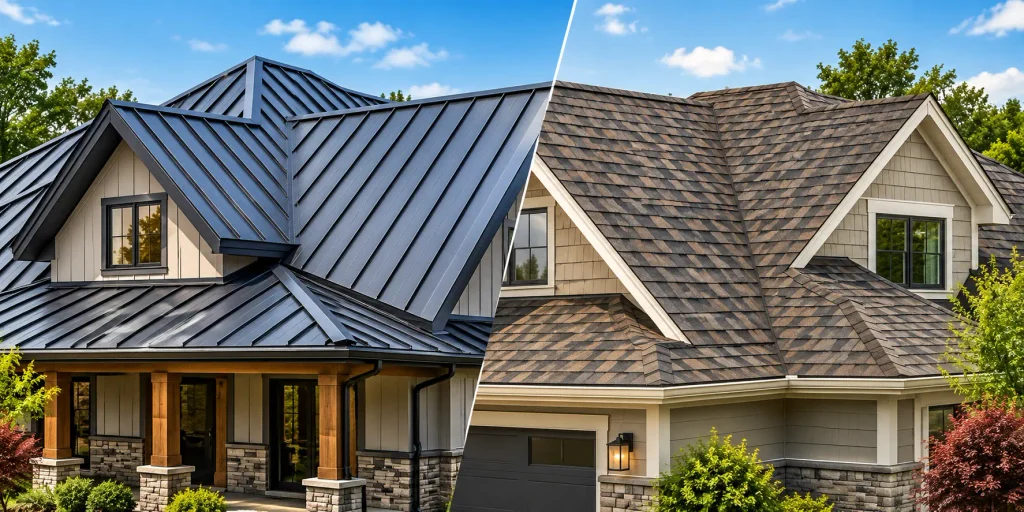
Choosing between a metal roof vs composite roofing system is an important decision for homeowners. Both options can provide reliable protection, but they differ in cost, lifespan, durability, maintenance, appearance, energy efficiency, and weather performance.
For homeowners prioritizing long-term durability, low maintenance, fire resistance, and a potentially longer service life, a metal roof is generally the stronger long-term option. Composite roofing can be a better fit for homeowners who prioritize traditional shingle appearance, design flexibility, and potentially lower upfront costs. The right choice ultimately depends on your property, budget, climate, and roofing goals.
Metal Roof vs Composite: Quick Comparison
| Feature | Metal Roof | Composite Roof |
|---|---|---|
| Initial cost | Often higher | Often lower |
| Potential lifespan | Several decades; some systems 60+ years | Varies by product |
| Durability | Excellent | Good to excellent |
| Maintenance | Generally low | Low to moderate |
| Weather resistance | Excellent when properly designed | Product-dependent |
| Fire resistance | Strong advantage | Depends on product |
| Energy efficiency | Depends on color, coating and insulation | Depends on product and roof assembly |
| Appearance | Modern and traditional options | Traditional shingle appearance |
| Repair | Panels/components can be repaired | Individual shingles can often be replaced |
| Recyclability | Strong advantage | Depends on product |
Actual performance varies according to the specific roofing product, installation quality, climate, roof design, and maintenance.
What Is a Metal Roof?
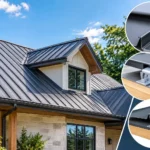
A metal roof is a roofing system manufactured from materials such as steel, aluminum, copper, or zinc. Common systems include standing seam metal roofing, metal roof panels, corrugated metal roofing, and metal shingles.
Metal roofing is popular because of its durability and long potential service life. The Metal Construction Association reports that certain properly designed metal roof systems can have expected service lives of at least 60 years. Metal Construction Association: Metal Roof Longevity
Metal roofing can also be manufactured in a variety of colors and finishes, making it suitable for both modern and traditional residential architecture.
Benefits of Metal Roofing
- Long potential service life
- Excellent durability
- Strong fire resistance
- Good weather resistance
- Relatively low maintenance
- Multiple colors and finishes
- Recyclability
- Potential compatibility with solar installations
Potential Drawbacks of Metal Roofing
Metal roofing can have a higher initial installation cost than conventional composite or asphalt shingles. Proper installation is also important because seams, flashing, fasteners, penetrations, and thermal movement need to be addressed correctly.
Regular inspections can help identify problems before they become expensive repairs. Elite Crown Roofing’s roof maintenance guide explains how inspections, flashing checks, drainage maintenance, and preventive care can help protect a roofing system over time.
What Is Composite Roofing?
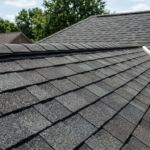
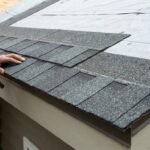
Composite roofing is a broad category of roofing products manufactured using combinations of materials. Composite shingles may be designed to reproduce the appearance of natural slate, wood shakes, or traditional roofing shingles.
You may also encounter terms such as:
- Composite roofing
- Composite roof
- Composite shingles
- Composite roof shingles
- Composite architectural shingles
- Comp roof
- Comp shingle roof
- Composition shingles
Because manufacturers use different materials and manufacturing processes, not all composite roofing products have the same lifespan or performance.
Benefits of Composite Roofing
- Traditional residential appearance
- Wide range of colors and styles
- Available in different price ranges
- Suitable for many architectural designs
- Individual shingles can often be replaced
- Some products offer strong impact and weather resistance
Potential Drawbacks of Composite Roofing
The lifespan and durability of composite roofing can vary significantly between products. Homeowners should compare the manufacturer’s specifications, warranty, impact ratings, wind ratings, and installation requirements before making a decision.
Metal Roof vs Composite Roof Cost
Cost is one of the most important considerations when comparing metal roof vs composite shingles.
Metal roofing often has a higher initial installation cost because of the material, specialized labor, underlayment, flashing, roof design, and installation requirements.
Composite roofing can have a lower upfront cost in many residential applications, although premium composite products can also be expensive.
Your final roofing cost can depend on:
- Roof size
- Roof pitch
- Material selection
- Existing roof condition
- Tear-off requirements
- Roof decking
- Underlayment
- Flashing
- Ventilation
- Labor
- Installation complexity
Rather than looking only at the initial price, consider total cost of ownership. A roof with a lower installation cost may require replacement sooner, while a higher-cost roofing system may provide a longer service life.
If your existing roof has only localized damage, a complete replacement may not always be necessary. Elite Crown Roofing’s guide to partial roof repair explains when targeted repairs may be appropriate.
Metal Roof vs Composite Roof Lifespan
Lifespan is one of the biggest reasons homeowners consider metal roofing.
According to the Metal Construction Association, certain metal roof systems have demonstrated or projected service lives of 60 years or more under appropriate conditions.
Composite roofing has a more variable lifespan because the category includes different products and construction methods.
When comparing metal roof lifespan vs composite roof lifespan, consider:
- Product quality
- Manufacturer specifications
- Installation quality
- Climate
- UV exposure
- Ventilation
- Maintenance
- Severe weather
- Roof slope and design
Rather than using a generic lifespan for every composite roof, check the specifications and warranty for the exact product being considered.
Metal vs Composite Roof Durability
Durability is another major factor in the comparison.
Metal roofing can provide excellent resistance to weather exposure, moisture, fire, and many environmental stresses. The Metal Construction Association describes metal roofing as highly durable and notes its resistance to extreme weather and non-combustible characteristics. Metal Construction Association: Metal Roofing Performance
Composite shingles can also provide strong durability, particularly when a high-quality product is properly installed.
When comparing metal roof durability vs composite roof durability, consider:
- Hail resistance
- Wind resistance
- Impact resistance
- Fire resistance
- UV resistance
- Moisture resistance
- Temperature changes
- Falling debris
- Maintenance requirements
The specific product’s tested performance is more useful than simply assuming that one material category will always outperform another.
Metal Roof vs Composite Shingles for Extreme Weather
Severe weather can affect any roofing system.
Metal roofing can perform well in areas exposed to strong winds, heavy rain, hail, snow, and other severe conditions when the system is correctly designed and installed.
Composite roofing products are also available with different wind and impact ratings.
If your property experiences frequent storms, compare the actual product specifications instead of relying only on general claims about metal roofing or composite shingles.
Installation details are equally important. Flashing, roof edges, fasteners, penetrations, and underlayment can influence how a roof performs during severe weather.
For additional maintenance advice, see Elite Crown Roofing’s guide on maintaining a roof in harsh weather conditions.
Metal Roof vs Composite: Energy Efficiency
Energy efficiency depends on the entire roofing assembly rather than the material alone.
Important factors include:
- Solar reflectance
- Thermal emittance
- Roof color
- Insulation
- Ventilation
- Climate
- Building design
- HVAC efficiency
The U.S. Department of Energy explains that solar reflectance and thermal emittance influence roof temperature and that climate and insulation affect the energy benefits of cool roofing. U.S. Department of Energy: Cool Roof Products
The DOE also explains that cool roofs can reduce heat gain and cooling demand in appropriate climates. DOE: Guidelines for Selecting Cool Roofs
A light-colored metal roof with a reflective finish can perform differently from a dark metal roof. Likewise, composite shingles can have different energy characteristics depending on their color and construction.
Therefore, metal roofing is not automatically more energy efficient than composite roofing. Look at the actual roofing product and complete roof assembly.
Metal Roof vs Composite: Maintenance
Both roofing systems require maintenance.
Metal Roof Maintenance
Metal roof maintenance can include checking:
- Panel seams
- Fasteners
- Flashing
- Coatings
- Corrosion
- Roof penetrations
- Gutters
- Drainage
The Metal Construction Association’s technical information recommends regular inspection programs even for relatively low-maintenance metal roofing systems. MCA: Metal Roofing Technical Resources
Composite Roof Maintenance
Composite roof maintenance may involve checking:
- Missing shingles
- Cracked shingles
- Curling
- Granule loss
- Flashing
- Roof penetrations
- Moss or algae
- Storm damage
Regular inspections help identify minor problems before they develop into major roof repairs.
For commercial properties, a planned maintenance program can be particularly useful. Elite Crown Roofing explains scheduled inspections and preventive care in its commercial roof maintenance guide.
Metal Roof vs Composite: Appearance and Curb Appeal
Appearance is an important consideration for residential roofing.
Metal roofing is available in standing seam panels, metal shingles, corrugated profiles, and numerous colors and finishes. This makes it possible to create either a modern or more traditional appearance.
Composite roofing is particularly attractive to homeowners who want the familiar appearance of shingles. Some composite products are designed to imitate slate, cedar shakes, or other premium roofing materials.
When choosing between the two, consider the architecture of your home, surrounding properties, color scheme, and desired curb appeal.
Composite Shingles vs Asphalt Shingles
Another important comparison is asphalt shingles vs composite shingles.
The terminology can be confusing because “composition shingles” is commonly used to describe asphalt-based shingle roofing, while synthetic composite shingles can be manufactured from engineered materials.
When comparing these products, consider:
- Material construction
- Cost
- Lifespan
- Impact resistance
- Wind resistance
- Appearance
- Maintenance
- Warranty
A premium composite shingle should not automatically be assumed to perform the same as a conventional asphalt composition shingle.
Metal Roof vs Architectural Shingles
Homeowners may also compare a metal roof vs architectural shingles.
Architectural shingles provide a dimensional appearance and are widely used in residential roofing. Metal roofing provides a different combination of longevity, durability, and design flexibility.
The best choice depends on your priorities, including:
- Initial budget
- Expected lifespan
- Appearance
- Maintenance
- Weather exposure
- Long-term ownership
Can You Combine a Metal Roof and Composite Shingles?
Yes, some properties use both metal roofing and composite shingles.
For example, a home might use composite shingles on the main roof and metal roofing on a porch, addition, garage, or architectural feature.
A mixed metal and shingle roof requires careful planning at the transition points. Flashing, water flow, roof slope, material compatibility, and drainage must all be considered.
The two materials should not simply be joined together without proper transition detailing.
Metal Roof vs Composite: Pros and Cons
Metal Roofing Pros
- Long potential lifespan
- Excellent durability
- Strong fire resistance
- Relatively low maintenance
- Excellent weather resistance
- Multiple styles
- Recyclability
Metal Roofing Cons
- Higher initial cost in many applications
- Requires proper installation
- Thermal expansion and contraction must be addressed
- Some panels can dent under significant impact
Composite Roofing Pros
- Traditional appearance
- Many colors and styles
- Different price points
- Suitable for many residential designs
- Individual shingles can often be replaced
Composite Roofing Cons
- Lifespan varies by product
- Some products are more vulnerable to severe weather damage
- Requires regular inspection
- Replacement may be needed sooner than with some long-life metal systems
Which Is Better: Metal Roof or Composite?
For homeowners who prioritize long-term durability, low maintenance, fire resistance, and a potentially very long service life, metal roofing is generally the stronger choice.
For homeowners who prioritize traditional shingle appearance, architectural flexibility, and potentially lower upfront costs, composite roofing can be an attractive option.
However, the best choice for a specific property depends on roof slope, climate, existing roof condition, budget, insulation, ventilation, product specifications, and installation quality.
Frequently Asked Questions
Is a metal roof better than composite shingles?
Metal roofing can offer advantages in longevity, durability, fire resistance, and maintenance. Composite shingles can offer advantages in traditional appearance, design variety, and initial cost. The right choice depends on the property and homeowner’s priorities.
Is a metal roof more expensive than composite roofing?
Metal roofing often has a higher initial installation cost than conventional composite or asphalt shingles. However, premium composite products can also have significant costs.
How long does a metal roof last?
Certain metal roofing systems can have expected service lives of 60 years or more under appropriate conditions.
How long do composite shingles last?
It depends on the specific product. Composite roofing is a broad category, so homeowners should check the manufacturer’s specifications and warranty.
Which is more durable, metal or composite roofing?
Both can be durable. Metal roofing generally offers excellent resistance to many environmental stresses, while composite roofing performance depends heavily on the specific product.
Which roof is better for hail?
Both metal and composite roofing products are available with impact-resistant options. Compare the tested impact rating of the specific roofing product rather than relying only on the material category.
Which roof requires less maintenance?
Metal roofing generally requires relatively low maintenance, but regular inspections are still recommended. Composite roofing also benefits from routine inspections and prompt replacement of damaged shingles.
Can you put metal roofing and composite shingles on the same house?
Yes. Different roofing materials can be used on different roof sections, but the transitions require proper flashing, drainage, and installation details.
Final Verdict
The metal roof vs composite decision ultimately comes down to what matters most for your property.
Metal roofing offers excellent durability, potential longevity, fire resistance, and relatively low maintenance. Composite roofing offers a traditional appearance, extensive design choices, and a wide range of products and price points.
Before choosing a roofing material, compare the actual products, warranties, installation requirements, climate performance, maintenance needs, and expected service life.
If you need help evaluating your existing roof or choosing between roofing systems, Elite Crown Roofing provides roof inspections, repairs, installation, and replacement services. A professional assessment can help you select a roofing system based on your property’s actual requirements rather than choosing solely by material or price.