
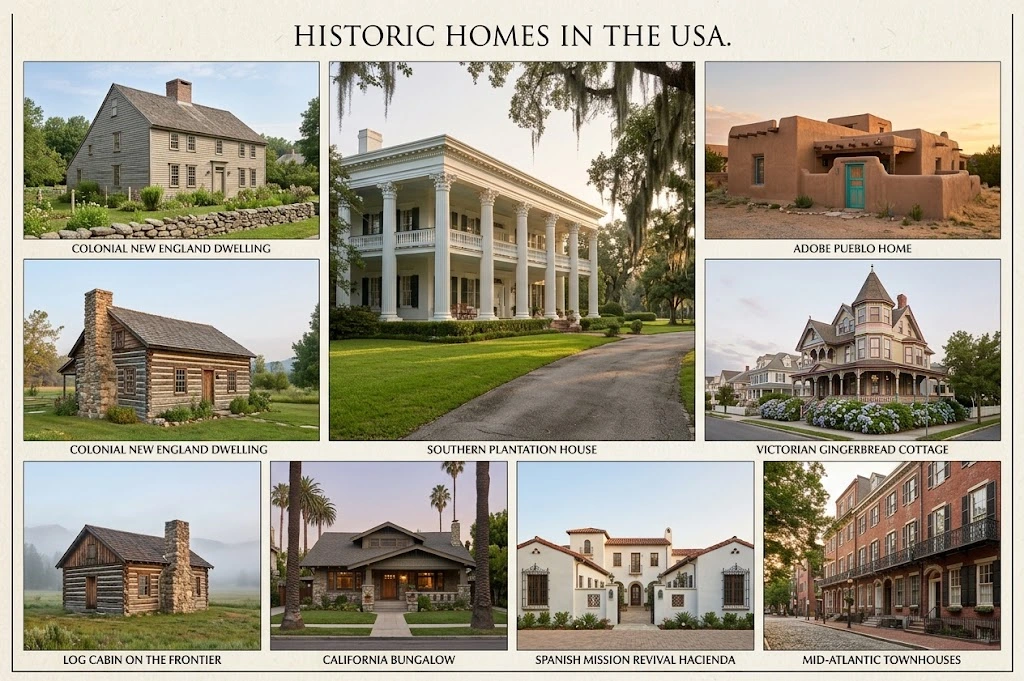
Historic homes deserve roofing that protects the structure while preserving the architectural details that make them distinctive. From Victorian houses with decorative rooflines to Craftsman bungalows with wood shingles, the original roofing material, roof pitch, color, and installation pattern can all contribute to a building’s character. Choosing the right replacement requires understanding both traditional construction methods and modern roofing technology.
Best Roofing Options for Historic Homes (Right Answer)
The best roofing option for a historic home is usually to repair and retain the original roofing material whenever it remains serviceable. If replacement is necessary, choose a material that matches the home’s original appearance, suits its roof structure, and meets current performance and building requirements. Natural slate, clay tiles, wood shingles, and traditional metal roofing may be appropriate depending on the building. Modern architectural shingles, synthetic slate, and composite materials can also be considered when they provide a compatible appearance and are permitted by local preservation rules.
How to Choose the Right Roofing Material for a Historic Home
Before selecting a roofing product, establish what the house originally had, how the roof was constructed, and whether the existing materials can be repaired. Historic roofing is not simply an aesthetic decision: the wrong material or installation method can introduce excess weight, trap moisture, change drainage patterns, or damage original features.
The National Park Service provides detailed guidance in its resource on roofing for historic buildings. Its preservation approach emphasizes understanding the historic value of existing materials, inspecting the roof thoroughly, and considering repair before replacement.
1. Natural Slate Roofing
Natural slate is one of the most recognizable traditional roofing materials on older American homes. It appears on many historic Victorian, Gothic Revival, and other architecturally distinctive buildings.
Slate is valued for its natural appearance, fire resistance, and potential longevity when the material and installation are suitable. However, slate roofs require specialized installation and repair skills. Individual slates may crack, slip, or become damaged around fasteners and roof details, even when much of the roof remains serviceable.
When assessing an older slate roof, a qualified roofer should inspect the slates, fasteners, flashing, valleys, ridges, and roof decking where accessible. Deteriorated sections do not necessarily mean the entire roof needs replacement. Sound slates may be retained while damaged pieces are replaced with compatible materials.
Slate can also be heavy, so the supporting roof structure must be evaluated before changing materials or installing a different slate product.
For homeowners considering replacement, synthetic slate may offer a lighter alternative, but its appearance, durability, fire classification, and acceptance by preservation authorities should be checked carefully.
2. Clay Tile Roofing
Clay tile has a long history of use on buildings influenced by Spanish, Mediterranean, Mission Revival, and other architectural traditions. Depending on the period and region, historic roofs may feature flat tiles, curved tiles, or distinctive interlocking profiles.
Clay tiles provide a durable, visually distinctive roof covering when properly selected and installed. Their color and texture can be important to the building’s historic appearance, particularly on houses where the roof is a prominent architectural feature.
A traditional clay tile roof should be inspected for cracked tiles, slipping units, damaged ridges, deteriorated flashing, and evidence of water penetration. The condition of the underlying support system also matters because a roof may have problems beneath tiles that appear intact from the street.
Where practical, repair work should retain serviceable original tiles and use matching replacements for damaged pieces. Older tiles may differ in size, profile, and color from modern products, so selecting compatible replacements may require additional research or reclaimed materials.
The National Park Service explains traditional tile preservation in its guidance on historic building preservation resources, which includes a dedicated brief on the preservation and repair of historic clay tile roofs.
3. Wood Shingles and Cedar Shakes
Wood shingles and shakes were used on many traditional homes, including Craftsman bungalows, cottages, and certain rustic or vernacular buildings. Their natural texture can complement historic woodwork, porches, and exterior siding.
Although the terms are sometimes used interchangeably, wood shingles are generally more uniformly milled, while shakes traditionally have a rougher, more textured appearance. The original roof style can help determine which replacement is visually appropriate.
The main challenges with historic wood roofing are moisture, decay, splitting, biological growth, and fire considerations. Poor attic ventilation, damaged flashing, and persistent moisture can shorten the life of the roof and damage underlying components.
Before replacing a wood roof, inspect the shingles or shakes, roof edges, valleys, flashing, and ventilation arrangements. Where only limited areas have deteriorated, carefully matched repairs may preserve much of the original material.
If replacement is required, modern cedar products or manufactured alternatives may be suitable, depending on the home’s design and applicable fire and preservation requirements. The replacement should maintain an appropriate pattern, exposure, and texture rather than simply using a product marketed as rustic.
4. Traditional Metal Roofing
Metal roofing has been used on historic buildings in several forms, including standing seam panels and various sheet-metal systems. Depending on the period and location, historic roofs may incorporate tinplate, galvanized metal, terne-coated metal, or copper.
Metal can be particularly appropriate for buildings that originally used it, including some farmhouses, Victorian structures, and historic commercial properties. Copper details may also appear around roof edges, valleys, gutters, and decorative features.
The main benefit of choosing a compatible metal roof is that it can preserve the building’s original lines and detailing while providing weather protection. However, different metals have different properties, and the original material should be identified before selecting a replacement.
Inspection should cover seam integrity, corrosion, fasteners, flashing, drainage, and any areas where water may be entering. Repairs must account for the existing metal system rather than applying a generic modern roofing solution.
Modern standing seam roofing may be appropriate on some older houses, but it should not automatically replace a historically significant metal roof profile. Panel width, seam height, finish, color, and visible detailing can all affect the final appearance.
5. Architectural Asphalt Shingles
Asphalt shingles are common on modern homes and may be a practical option for certain older properties. They are generally available in a wide range of colors and styles, and installation may be less complex than specialized slate or tile work.
However, asphalt shingles do not automatically suit every historic building. A roof with distinctive slate patterns, clay tiles, or ornate metalwork may lose important architectural character if replaced with an unrelated material.
If asphalt shingles are being considered, examine the original roof photographs, surviving materials, and architectural details. Choose a product whose color, scale, texture, and overall appearance are compatible with the building.
Structural considerations remain important. The roof deck, ventilation, underlayment, flashing, and drainage system must be evaluated before installation. Any necessary improvements should be made without unnecessarily removing significant historic features.
For properties within a designated historic district, confirm whether asphalt shingles are permitted before purchasing materials.
6. Synthetic Slate and Composite Roofing
Synthetic slate and composite roofing products attempt to reproduce the appearance of traditional materials while offering different installation, weight, or maintenance characteristics.
Some products may be lighter than natural slate or clay tile, which can make them worth evaluating when the roof structure cannot support a proposed replacement material. Others may reproduce the visual pattern of wood shakes or slate shingles.
However, product names and marketing descriptions do not establish suitability for historic preservation. Synthetic products differ in appearance, thickness, edge detail, fire classification, wind performance, and expected service life.
Before choosing one, request manufacturer specifications, installation requirements, warranty terms, and examples of completed installations. Compare the proposed product with the original roof from street level and at prominent architectural details.
The National Park Service’s Preservation Briefs include guidance on substitute materials and historic roofing. These resources can help property owners understand why visual compatibility and the preservation of significant features matter when replacement materials are considered.
Repairing or Replacing a Historic Roof
One of the most important decisions is determining whether the existing roof can be repaired or requires complete replacement. Age alone is not a reliable reason to remove historic roofing. A properly maintained roof may retain substantial serviceable material long after some components begin to fail.
Start with a thorough inspection. Look for missing or broken roofing units, loose fasteners, deteriorated flashing, damaged valleys, water stains in the attic, and signs of decay in the roof structure. A professional should investigate the cause of any leak rather than simply covering the visible symptom.
If the damage is localized, repairing the affected area may preserve original materials and reduce disruption. If widespread deterioration, recurring leaks, or structural damage is present, more extensive work may be justified.
Homeowners should also consider the roof’s history. Previous repairs may have introduced incompatible materials or concealed defects. Understanding these changes can help a roofer develop a more appropriate repair plan.
For additional warning signs, see this guide to when to replace your roof. It can help homeowners recognize issues that deserve professional assessment, although historic roofs may require a specialist evaluation before replacement decisions are made.
Important Structural and Installation Considerations
Historic roofing projects often involve construction details that differ from those used in modern homes. Before work begins, evaluate the supporting structure and the roof’s entire weather-management system.
Roof weight: Natural slate and clay tiles can impose substantial loads. Do not assume the existing framing can support a different material without an appropriate assessment.
Underlayment and roof decking: Deteriorated decking and unsuitable underlayment can undermine a new roof. Repairs should address the actual condition of these components while avoiding unnecessary removal of historic fabric.
Flashing and drainage: Chimneys, valleys, dormers, roof-wall intersections, and other junctions are common points of water entry. Flashing should be compatible with the roofing system and correctly integrated with surrounding materials.
Ventilation and moisture: Changes to insulation, attic ventilation, or roof assemblies can affect condensation and moisture movement. Any upgrades should be designed for the specific building rather than applied as a one-size-fits-all solution.
Historic details: Cupolas, decorative ridge elements, finials, and distinctive eaves can contribute to the roof’s character. Document and protect these features before work starts.
For more information on ongoing protection, review roof maintenance guidance for all seasons. Regular inspections and timely repairs can help identify small issues before they cause more extensive damage.
Historic Preservation Rules and Choosing a Roofer
If your property is listed on a historic register or located within a historic district, roof replacement may be subject to additional approval requirements. Rules vary by jurisdiction, so check with the relevant preservation office or local building department before ordering materials or removing the existing roof.
Ask whether the proposed material, color, profile, and installation method require approval. Keep photographs of the original roof, records of earlier repairs, and documentation of any proposed changes.
Choosing an experienced roofing contractor is equally important. Look for someone who understands the particular material involved, can explain repair options, and is willing to document the condition of the existing roof before recommending replacement.
For slate, tile, and traditional metal roofing, specialized experience is especially valuable. Ask for examples of similar projects, references, and a written scope of work covering materials, flashing, roof details, and cleanup.
A preservation-minded contractor should explain the trade-offs between retaining original materials and using modern alternatives. The goal is to protect the house, not simply install the newest available roofing product.
How to Maintain a Historic Roof
Regular maintenance helps preserve roofing materials and reduce the risk of water damage. The appropriate inspection frequency depends on the roof type, climate, surrounding trees, and exposure to severe weather.
At least twice a year, consider arranging a visual inspection of the roof and accessible attic areas. Also inspect after significant storms when it is safe to do so. Do not walk directly on fragile slate, tile, or other roofing surfaces unless a qualified professional has determined that it is safe and has the proper equipment.
Keep gutters and downspouts clear, check for damaged flashing, and look for evidence of water entering the building. Record repairs and photograph areas of concern so that changes can be tracked over time.
Avoid pressure washing, harsh coatings, or improvised patching methods without understanding their effects on the original materials. An unsuitable repair can cause further damage or make future restoration more difficult.
Homeowners can also consult the National Park Service’s preservation guidance for historic buildings for more detailed information on maintaining and repairing specific roofing systems.
Frequently Asked Questions
What is the best roofing material for a historic home?
The best material depends on the building’s original roof, architectural style, structure, climate, and preservation requirements. Retaining and repairing original materials is generally the preferred starting point when they remain serviceable.
Can you replace a slate roof with asphalt shingles?
It may be technically possible, but it can change the appearance of the building and may conflict with local preservation requirements. Evaluate repair options and investigate compatible replacement materials before making the change.
Are modern roofing materials suitable for historic houses?
Some modern products can be suitable when they provide a compatible appearance and meet structural, fire, weather, and local approval requirements. Their suitability should be assessed for the specific property.
Does a historic roof always need complete replacement when it leaks?
No. A leak may result from localized damage, failed flashing, deteriorated seals, or another repairable issue. A professional inspection can help determine whether targeted repairs are sufficient.
How often should a historic roof be inspected?
A useful starting point is twice-yearly inspection, along with checks after significant storms. Fragile roofing materials and complex roof details may require additional professional attention.
Conclusion
Choosing roofing options for historic homes requires balancing preservation, durability, structural requirements, and modern performance. Natural slate, clay tile, wood shingles, and traditional metal roofing can maintain historic character when selected and installed appropriately. Architectural shingles and synthetic alternatives may also be suitable in some cases, but their compatibility should be evaluated carefully.
The most effective approach is to inspect the existing roof, repair serviceable historic materials where possible, and replace only what is necessary. Before starting work, verify local preservation requirements and consult a roofer with experience in the specific roofing system.
With careful material selection, skilled installation, and consistent maintenance, homeowners can protect an older property while respecting the craftsmanship and architectural details that make it special.